Dental Veneers, carefully refined.
Thin ceramic veneers planned for patients who want improved colour, proportions and symmetry with a realistic finish.

Thin ceramic veneers planned for patients who want improved colour, proportions and symmetry with a realistic finish.
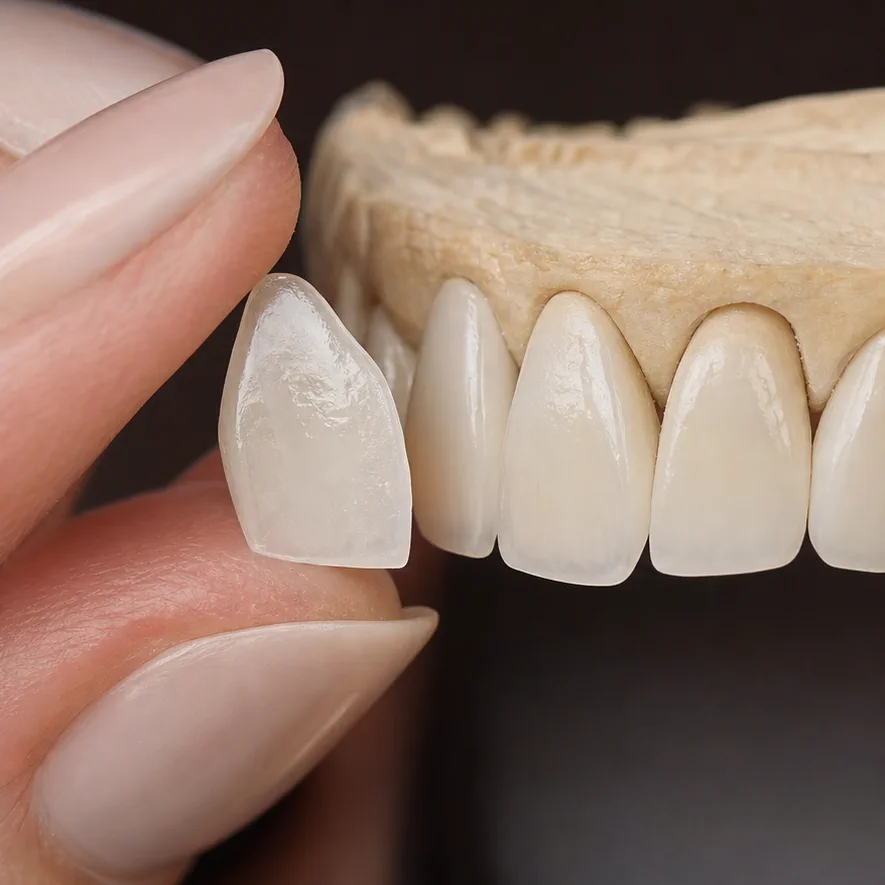
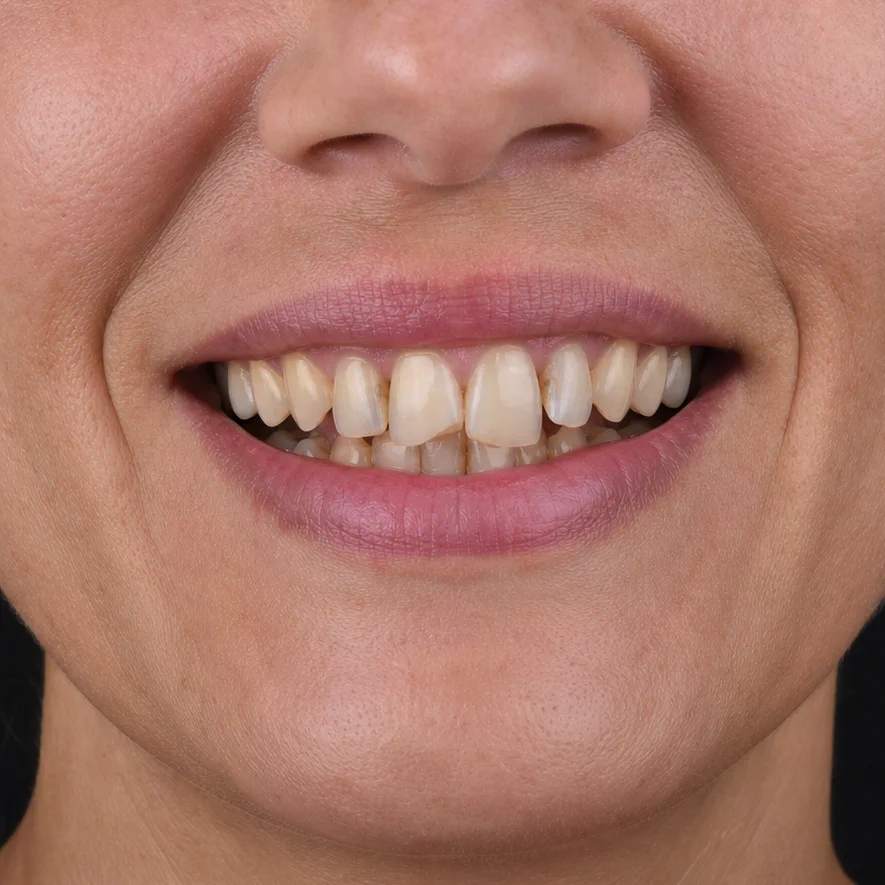
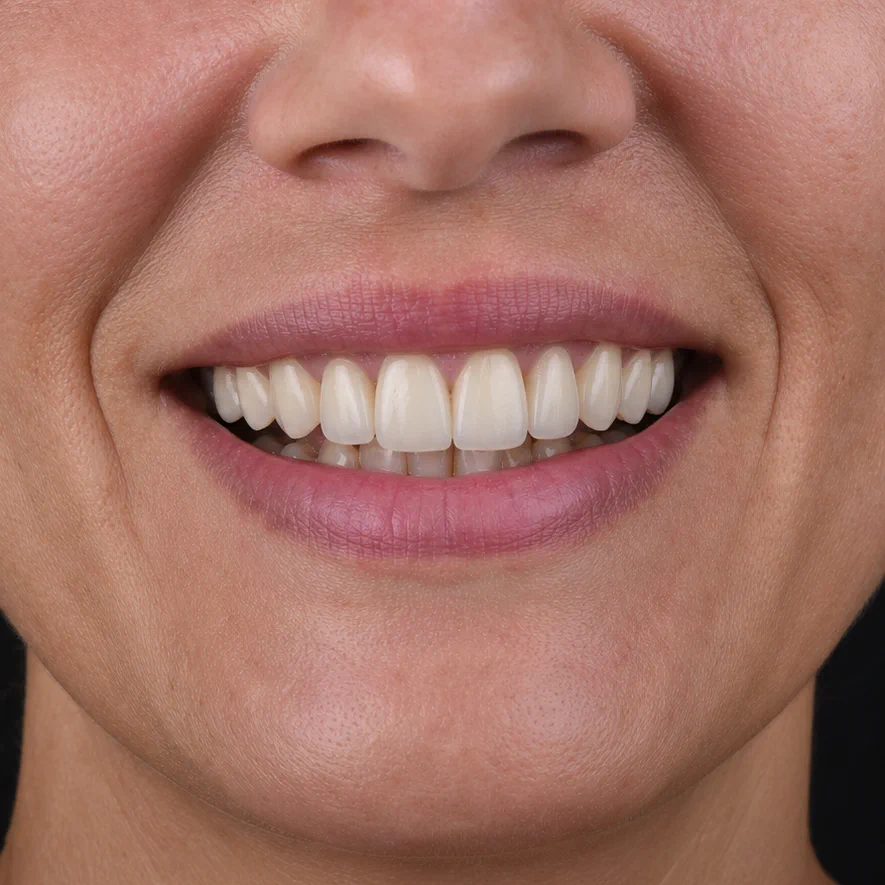
Dental veneers are thin custom ceramic shells bonded to the visible front surface of teeth. They can improve colour, proportions, minor gaps, worn edges and shape irregularities.
The strongest veneer results begin with restraint. MOR plans enamel, bite, gum health and facial harmony before deciding whether veneers are the right choice and how much preparation is needed.

Preparation is kept conservative when tooth position and enamel allow it.
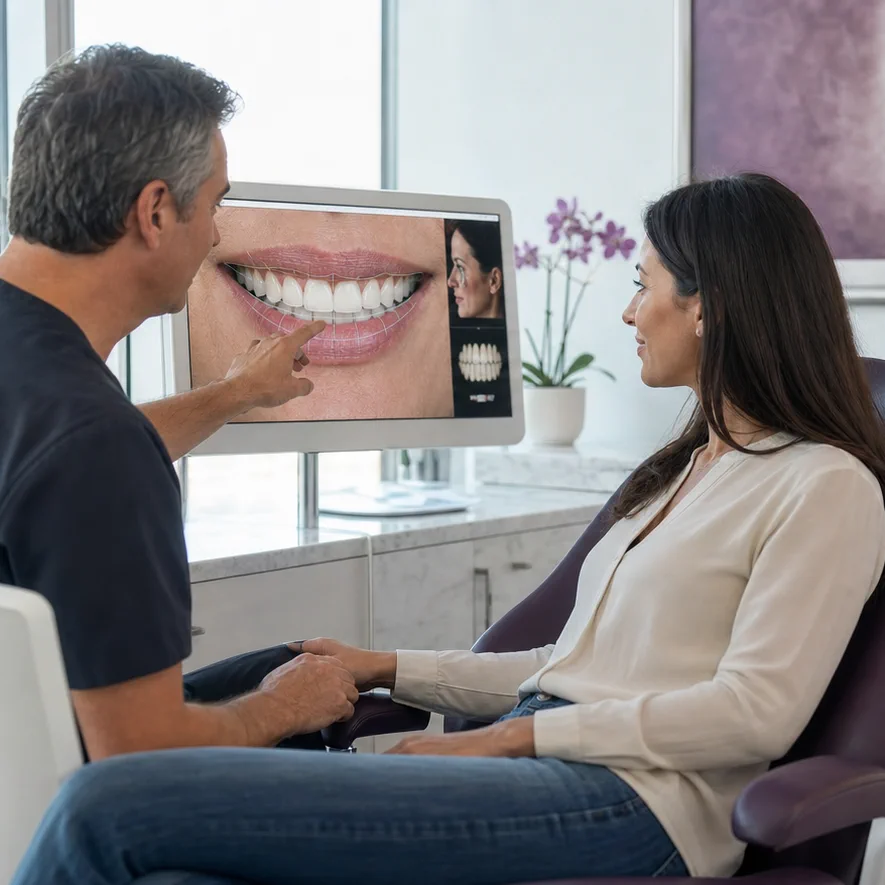
Width, length, midline and smile curve are planned around your face.
Surface texture and translucency help the veneers avoid a flat artificial finish.
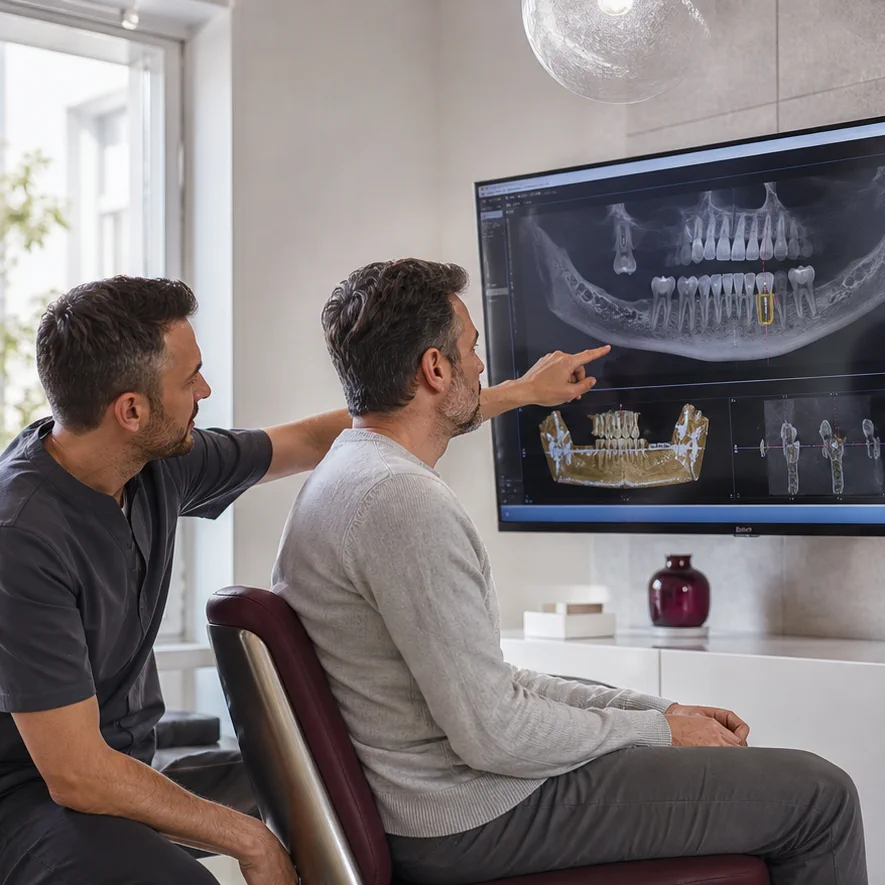
Suitability is confirmed after a detailed clinical assessment.

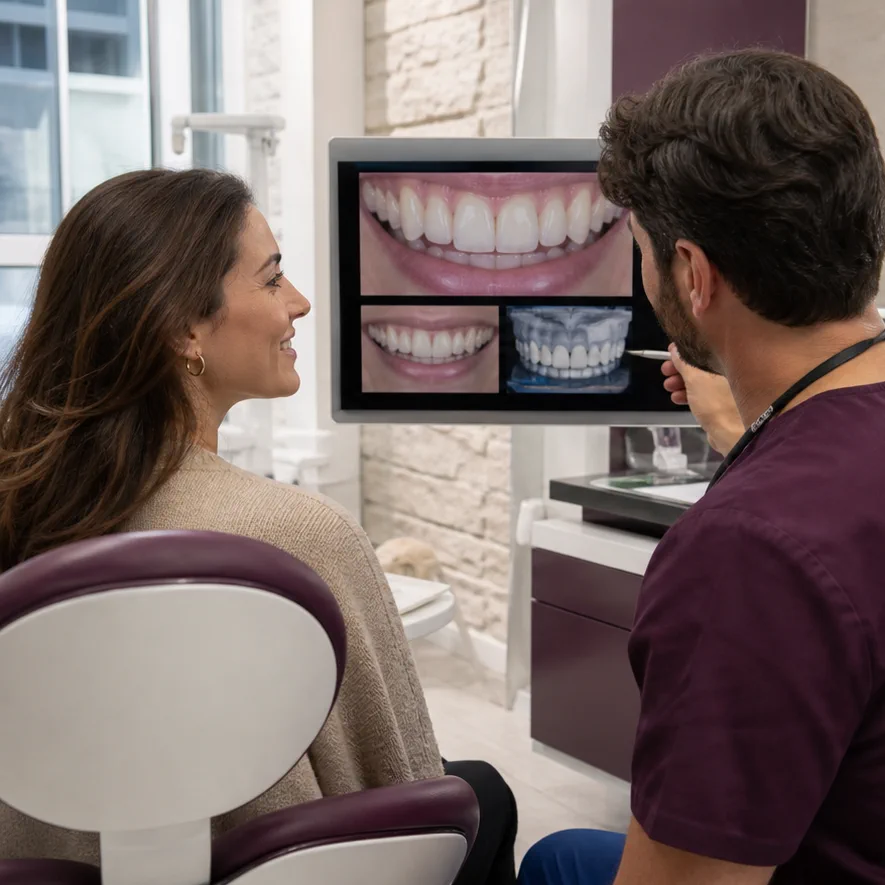
Photos, face proportions and dental goals are reviewed.

Shade, length, edge shape and symmetry are discussed.

A conservative preparation is performed only when clinically appropriate.

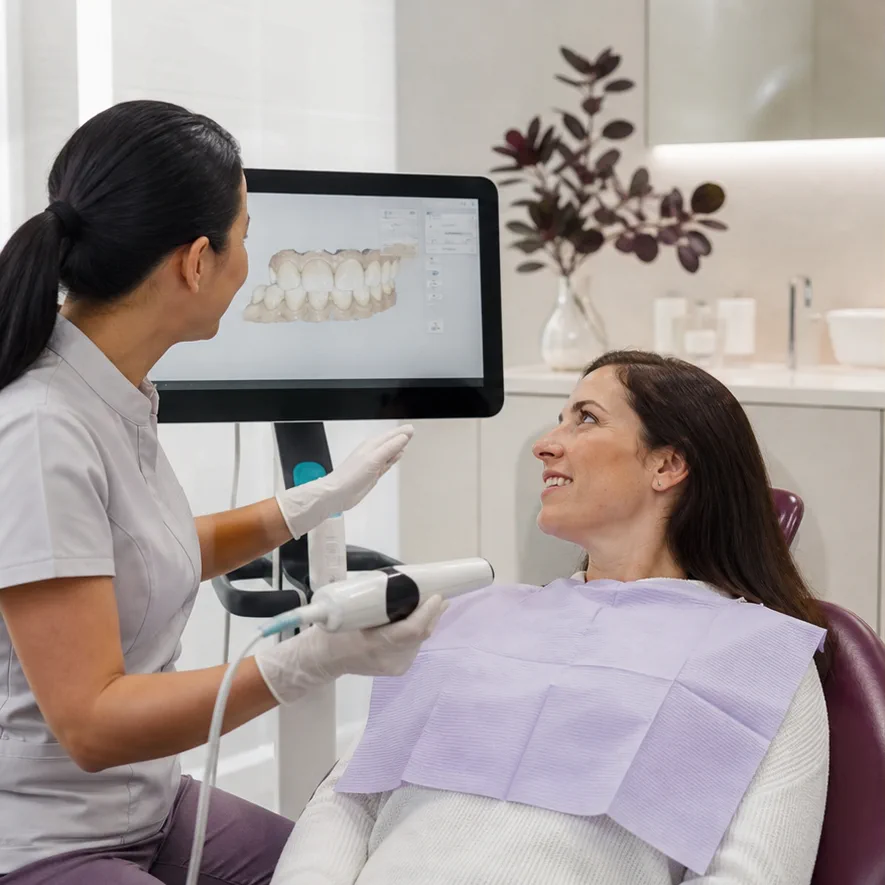
Custom veneers are crafted for fit, shade and surface detail.

The veneers are bonded, checked and polished for comfort.
Veneer planning is personalised; preparation and suitability vary by enamel, bite and existing restorations.

Preparation is kept conservative when tooth position and enamel allow it.
Width, length, midline and smile curve are planned around your face.
Surface texture and translucency help the veneers avoid a flat artificial finish.
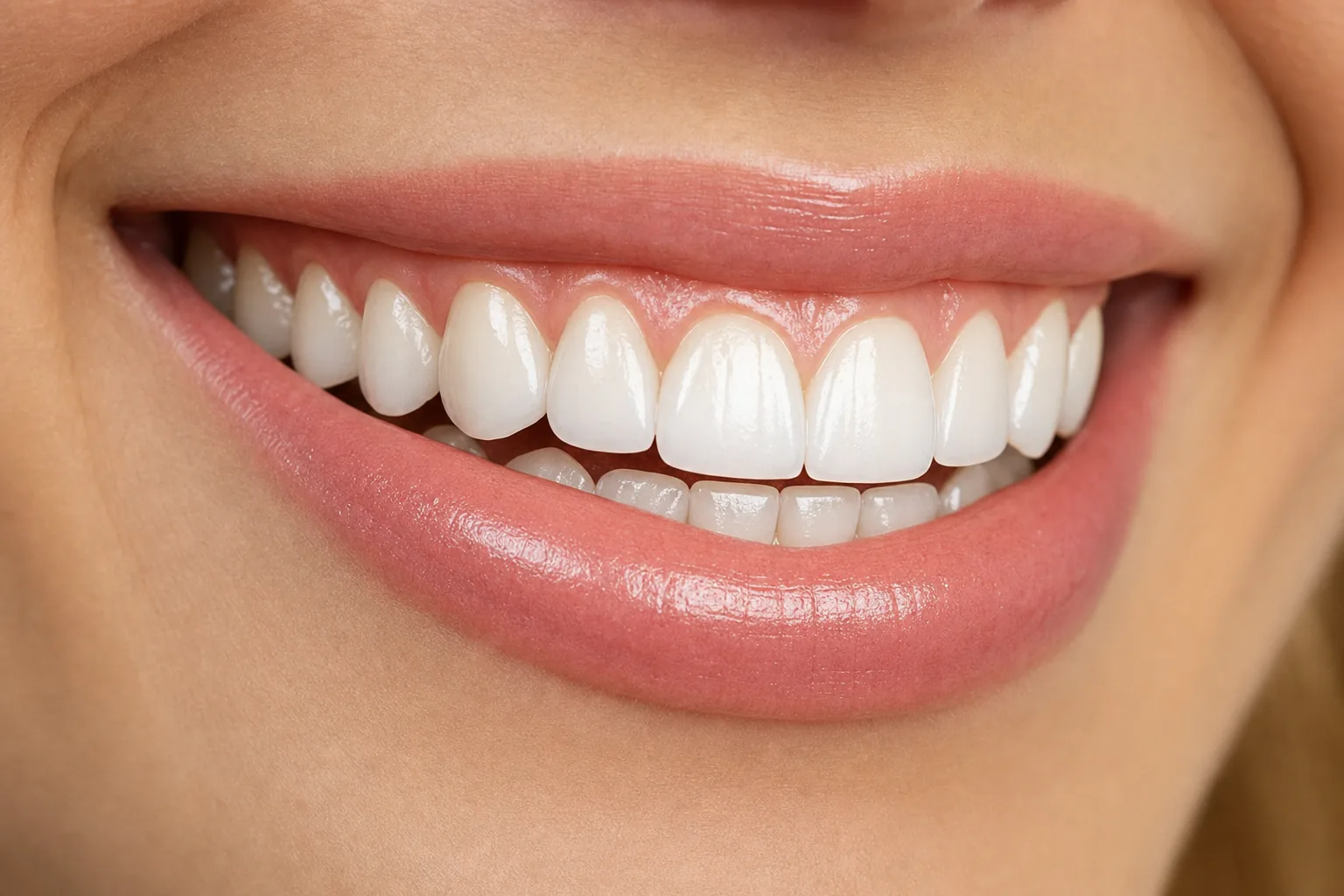
This visualisation shows a possible direction. Results vary and require a personal clinical plan.


No. Gum health, enamel, bite and tooth position must be checked first.
They can improve minor visual irregularities, but orthodontics may be better for larger alignment issues.
They should not. Careful planning and conservative preparation help create a refined fit.