Dental Implants, digitally planned.
A structured implant plan for missing teeth, built around diagnostics, comfort and long-term function.

A structured implant plan for missing teeth, built around diagnostics, comfort and long-term function.
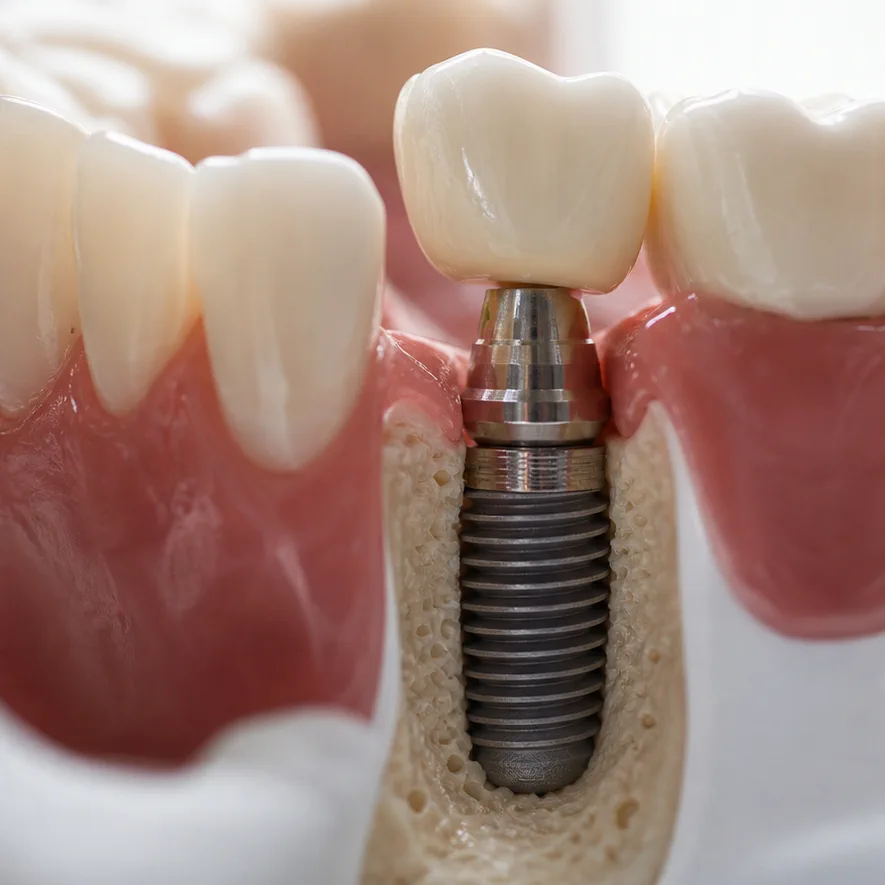
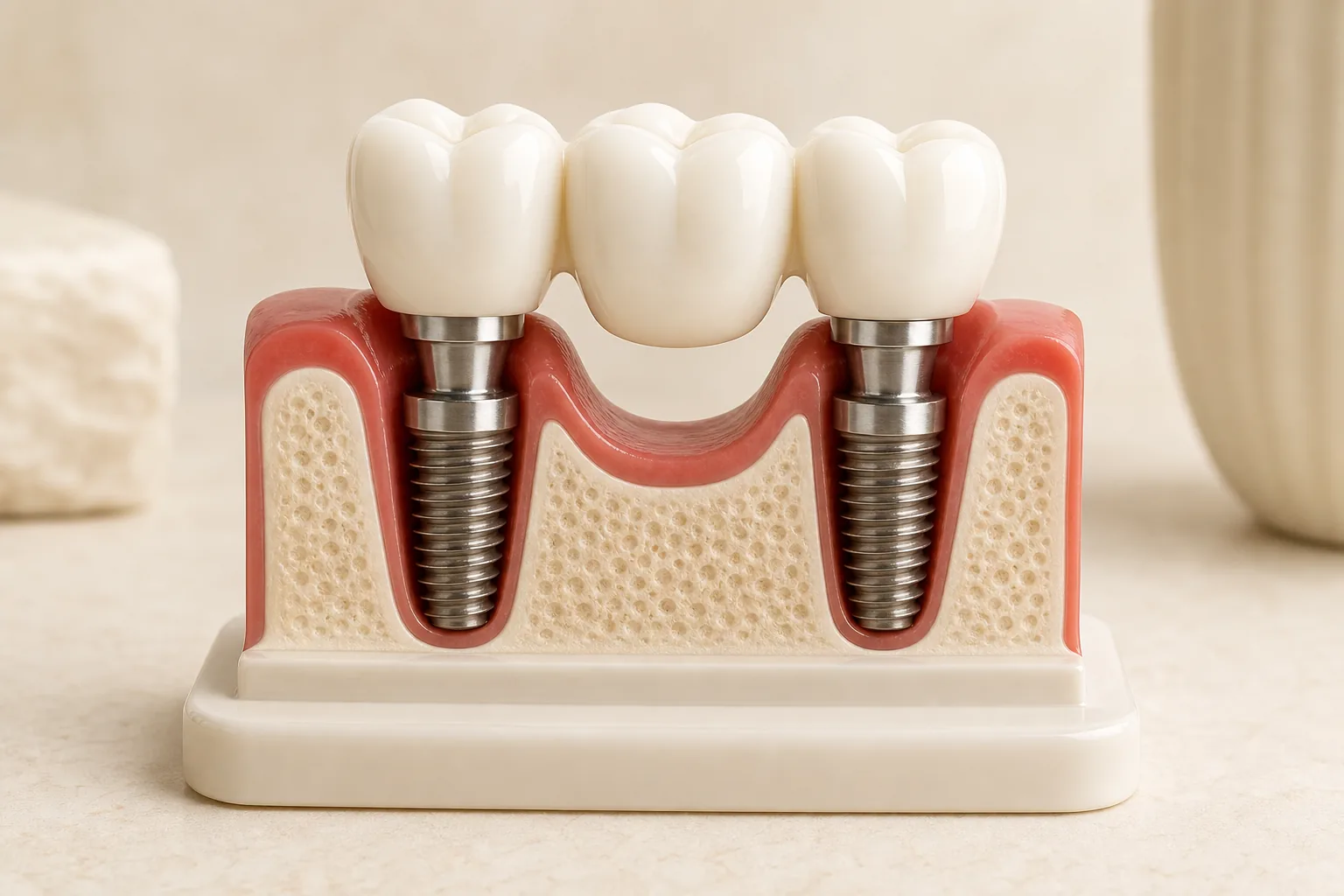
Dental implants are biocompatible artificial roots placed in the jawbone to support a crown, bridge or full-arch restoration. They are used to replace missing teeth with a fixed solution designed for function and aesthetics.
The most important part of implant treatment is not the screw itself. It is the diagnosis: bone volume, gum health, bite forces, medical history, 3D imaging and the final prosthetic plan all affect the right approach.

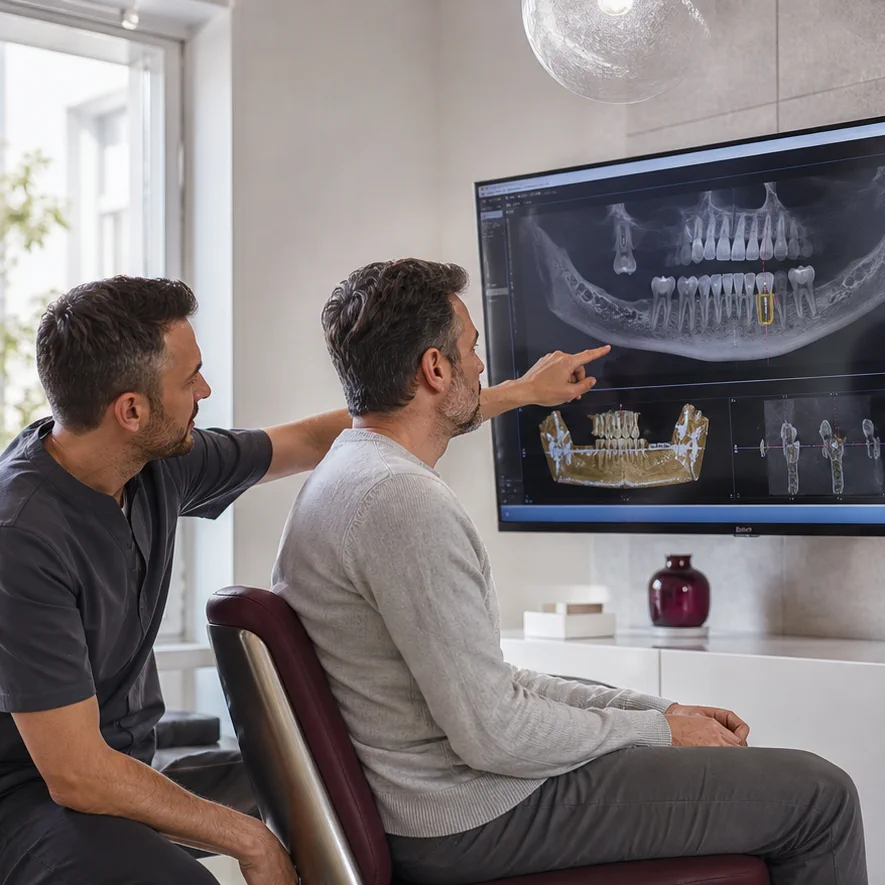
CBCT-style imaging and clinical examination guide implant position, angle and restoration design.
The plan considers chewing comfort, bite stability and long-term maintenance, not only the visible tooth.
Some cases need healing time or additional procedures before the final restoration can be completed.
Suitability is confirmed after a detailed clinical assessment.

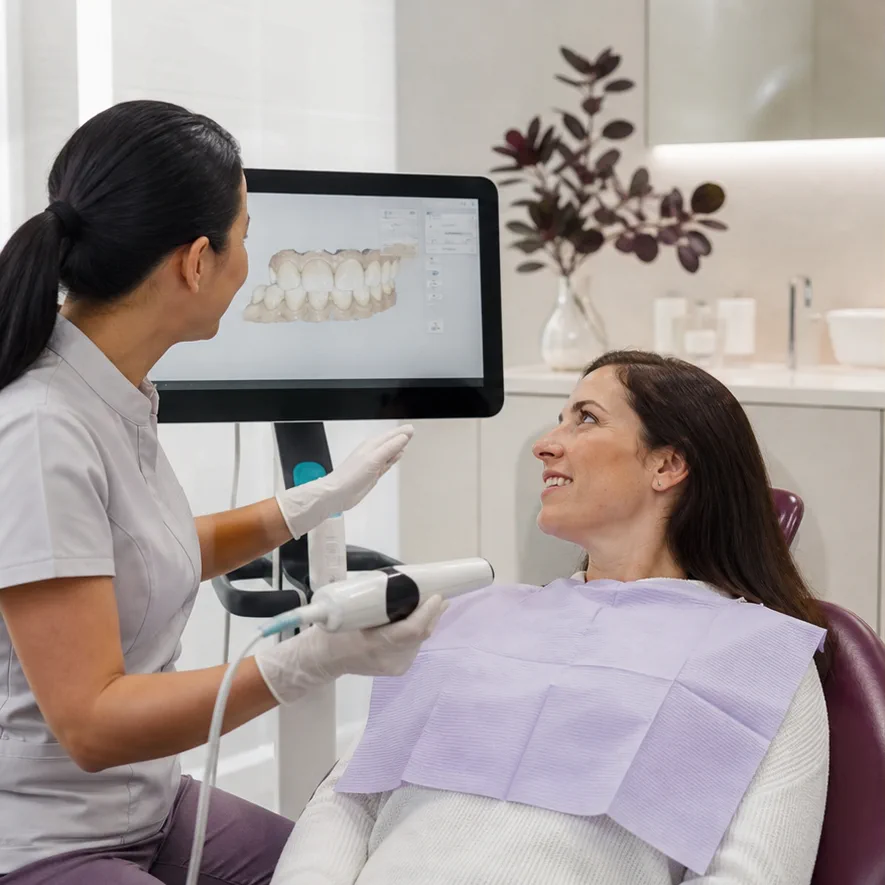
Photos, dental history and expectations are collected before your visit.

Dr. Abdulkadir Uğur reviews gums, bite, missing tooth area and available bone.

Imaging supports precise implant positioning and helps identify whether grafting may be needed.

The implant is placed in a controlled surgical appointment with comfort-focused care.

After integration, the final crown, bridge or full-arch restoration is fitted and adjusted.
Every implant plan starts with diagnostics; suitability depends on bone, health and clinical findings.

CBCT-style imaging and clinical examination guide implant position, angle and restoration design.
The plan considers chewing comfort, bite stability and long-term maintenance, not only the visible tooth.
Some cases need healing time or additional procedures before the final restoration can be completed.
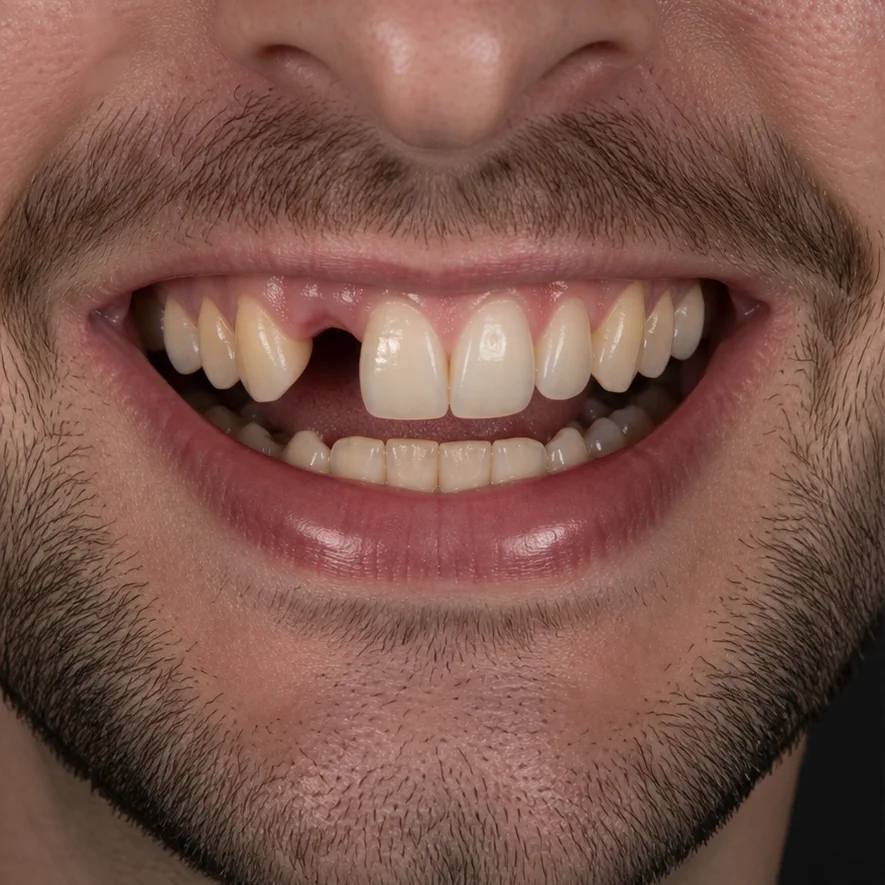
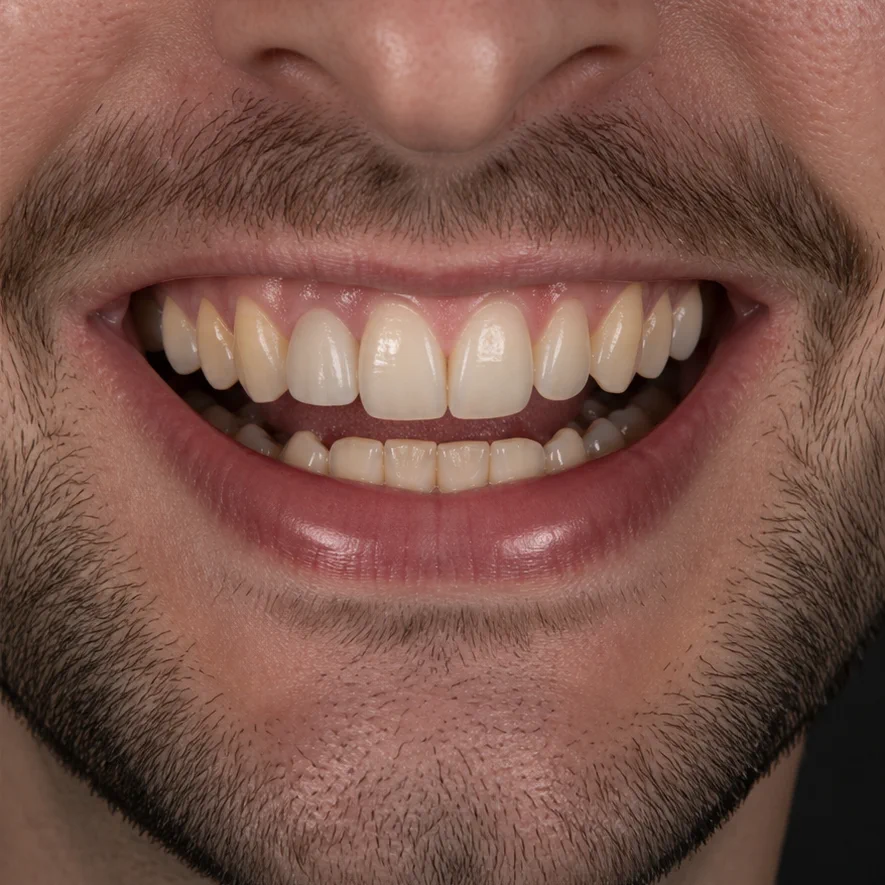
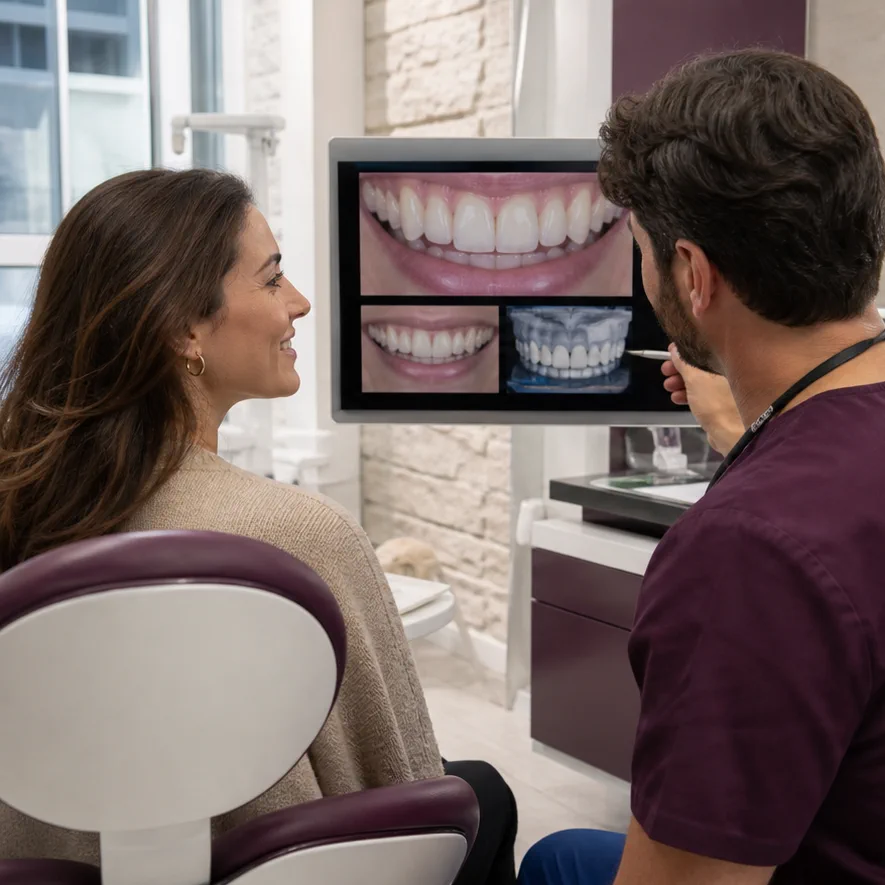
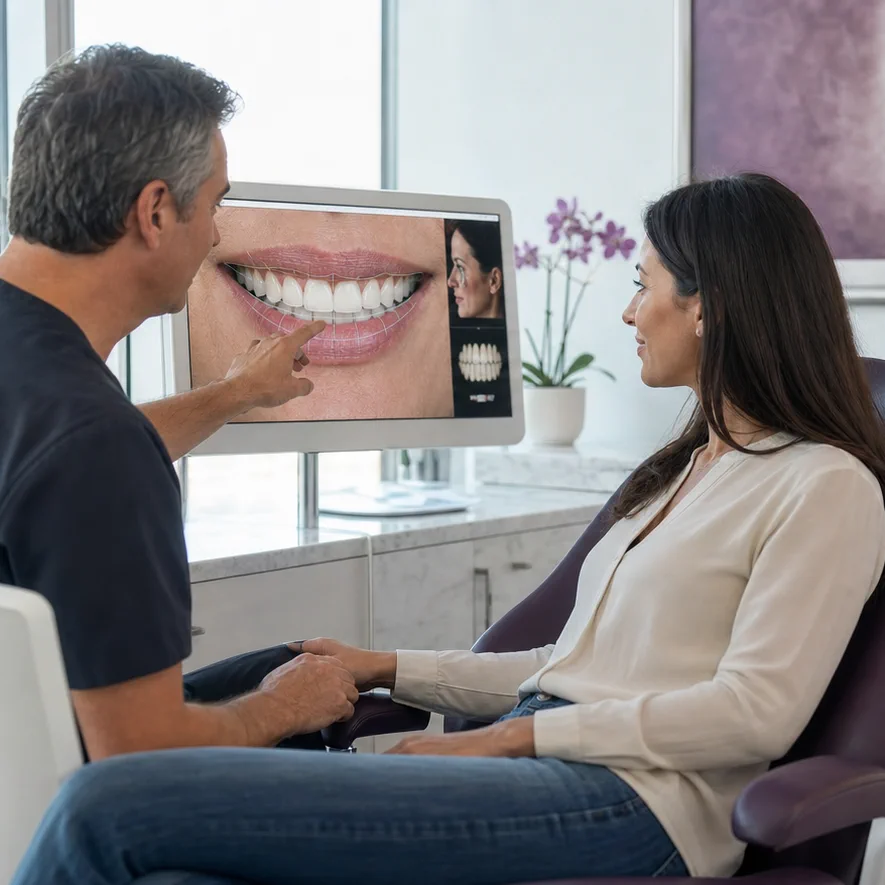
This visualisation shows a possible direction. Results vary and require a personal clinical plan.


No. Many implant cases require healing before the final restoration. The timeline depends on bone, stability and the type of restoration.
Yes, implants can support single crowns, bridges or full-arch restorations when clinically suitable.
No. It is only considered when bone volume or anatomy requires additional support for safe implant planning.
Suitability is confirmed after examination, imaging and review of your general health and gum condition.